Water Heater Replacement
When a water heater can't be repaired — or has reached the end of its service life — replacement restores reliable hot water. This page covers when replacement may be appropriate and how to request it.
Request this service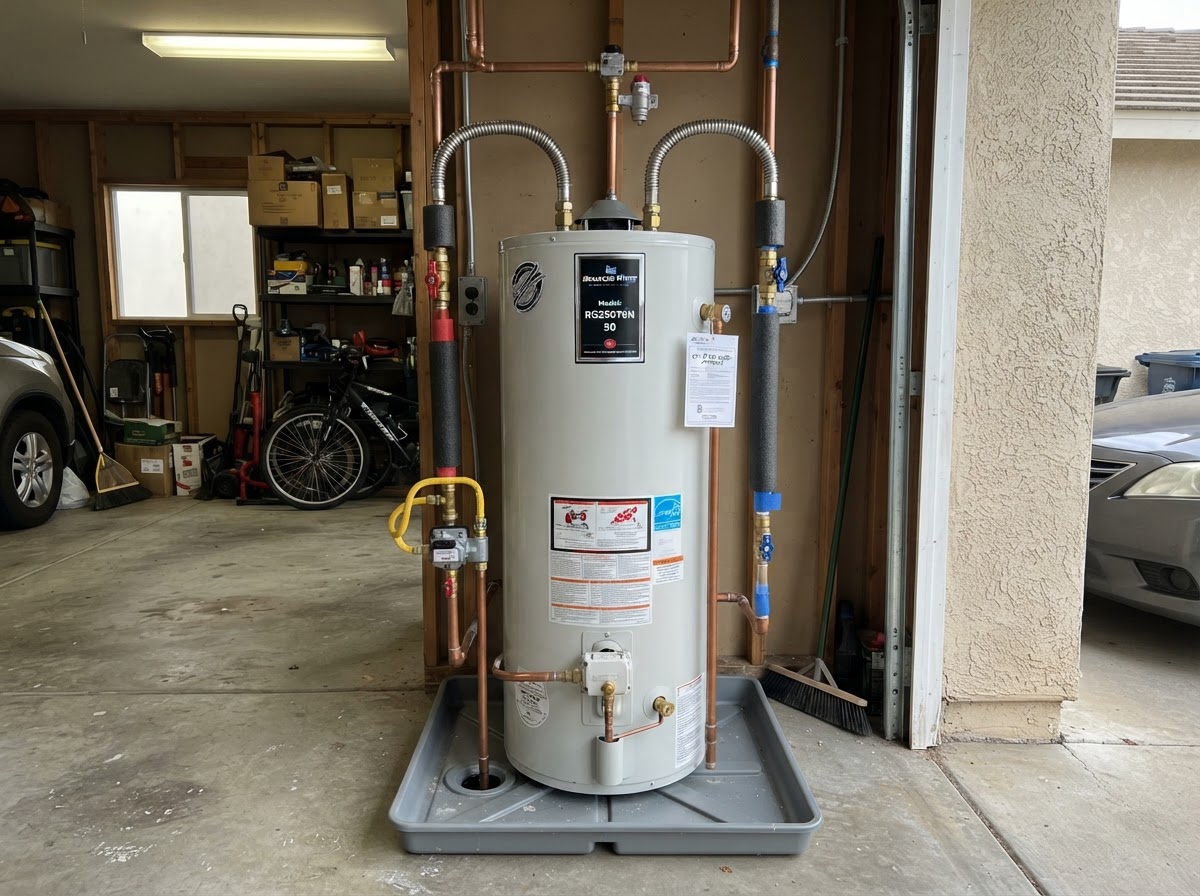
When it's needed
Common reasons you may need water heater replacement
- A tank that leaks from corrosion
- Repeated repairs on an aging unit
- Insufficient hot water for the household's needs
- A unit past its expected service life
- Upgrading to a more efficient or appropriately sized unit
What's involved
Typical service tasks & considerations
- Assessing the current unit and household hot-water needs
- Removing the old heater safely
- Installing the new unit with proper connections
- Setting the temperature and testing operation
- Checking valves and discharge for safe operation
Possible causes
Related plumbing problems & causes
Internal tank corrosion
Age-related component failures
An undersized unit for household demand
Code or safety upgrades at replacement
Stay safe
Safety & prevention
General precautions to keep in mind. These don't replace professional assessment.
- !Replacement involves water, electrical, or gas connections — it should be done by someone familiar with each.
- !Confirm the new unit's size and type match the home's demand and available utilities.
Water Heater Replacement FAQs
Questions about this service
- How do I know it's time to replace my water heater?
- A leaking tank, repeated repairs, rusty hot water, or a unit well past its expected service life are common signs. An assessment can confirm whether repair is still an option or replacement is the better path.
Related services
You may also need
Need water heater replacement?
Describe the issue and submit a service request. Availability is confirmed with the business — no response time is promised here.